Uma Patterson · 1 September 2026
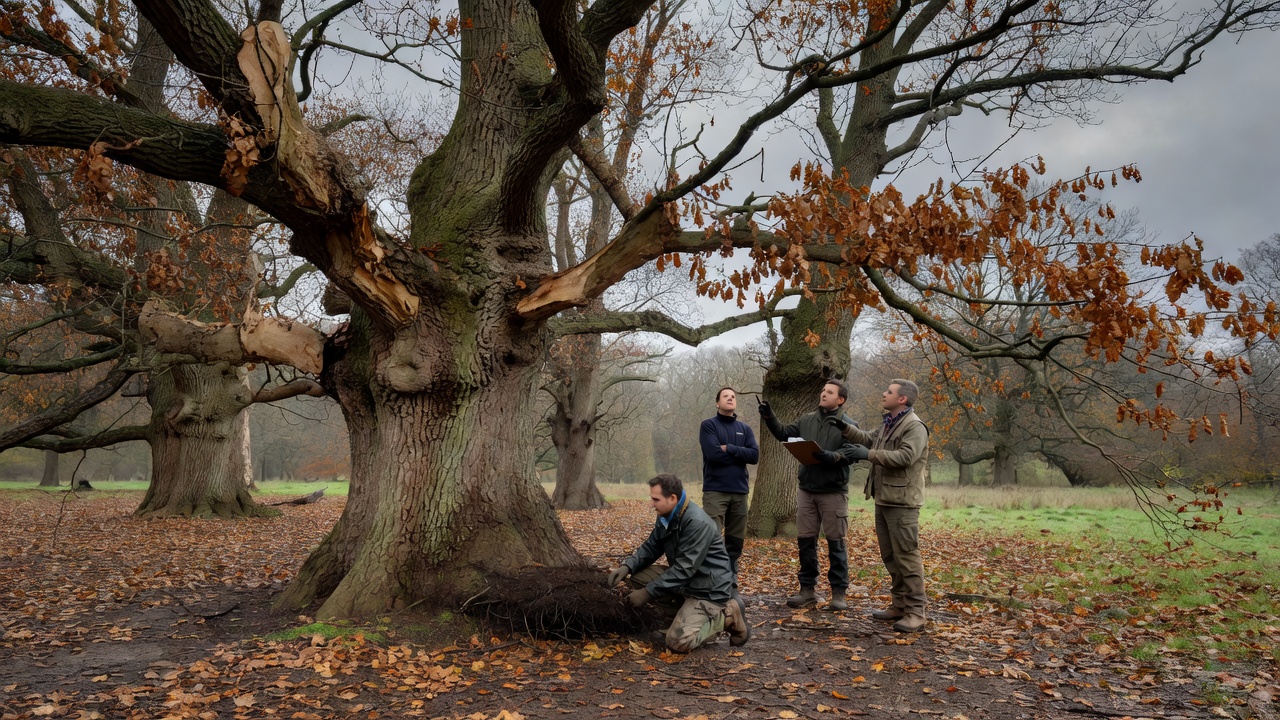
The oak wilt outbreak has emerged as a significant threat to the ancient woodlands of Surrey, with experts warning of potential widespread damage to centuries-old oak trees. Detected recently in several key sites, the fungal disease is spreading rapidly through root systems and insect vectors. Local communities and conservation groups are mobilizing to address the crisis before it escalates further.
Spread and Symptoms of Oak Wilt
Oak wilt, caused by the fungus Bretziella fagacearum, leads to wilting leaves and eventual tree death. In Surrey, affected areas include parts of the North Downs where ancient oak stands are prevalent. Symptoms appear as early as spring, with leaves turning brown and falling prematurely. The disease can kill mature trees within a single season, posing risks to biodiversity that relies on these oaks for habitat. Experts from various institutions have conducted extensive surveys to map the outbreak. The interconnected nature of woodland ecosystems means that the loss of oaks could impact soil stability, water cycles, and wildlife populations significantly. Additional research is needed to fully understand the long-term ecological consequences. Furthermore, the economic implications for timber industries and tourism in the area are being assessed by analysts. Preventive measures are being prioritized to limit the spread.
Efforts to Contain the Disease
In response, forestry commissions are implementing strategies such as trenching to sever root connections and removing infected trees to prevent further spread. Public awareness campaigns urge residents not to move firewood from affected zones. Researchers are exploring resistant oak varieties for replanting efforts. The long-term impact could alter the landscape of Surrey's woodlands, affecting not only oaks but dependent species like birds and insects. Continued monitoring and funding for research are deemed essential to mitigate losses. Experts emphasize the need for vigilance to protect these irreplaceable natural assets. Collaboration across borders with neighboring counties is also being considered to create a unified defense against the pathogen. Educational workshops are planned for landowners to recognize early signs and report them promptly.