Petra Franke · 1 September 2026
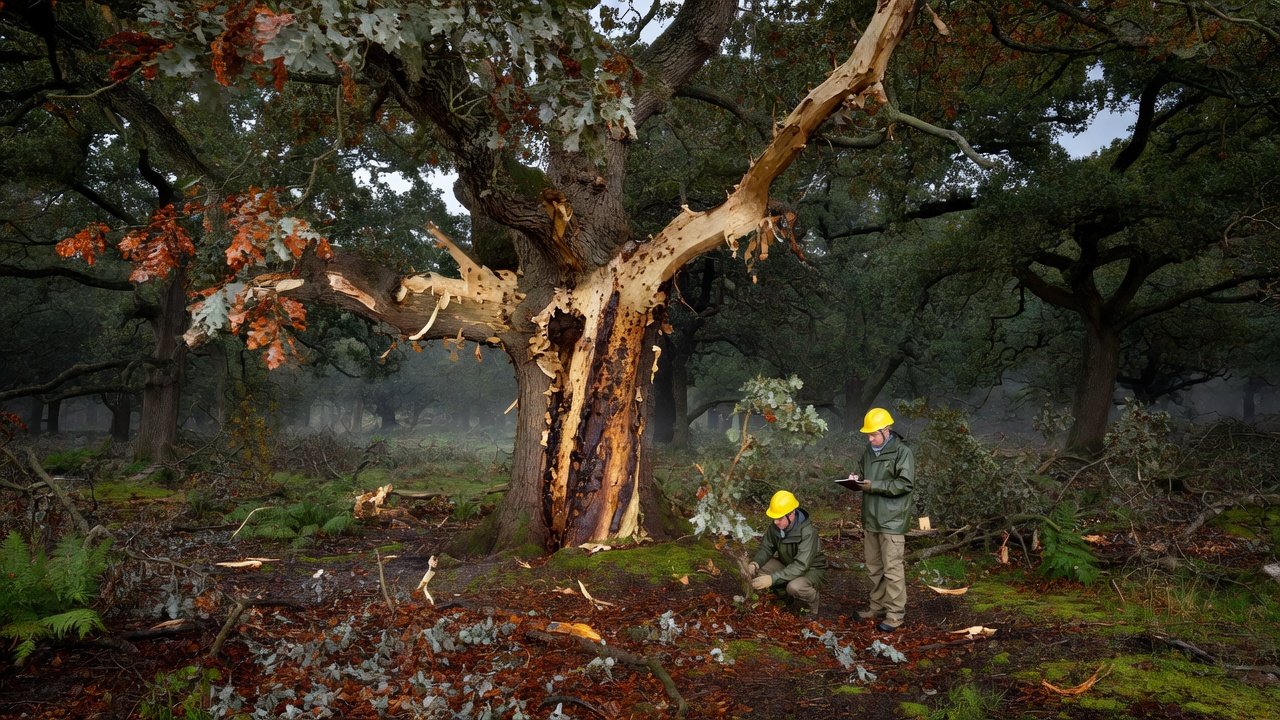
An outbreak of oak wilt has been confirmed in several ancient woodland sites across Surrey, raising concerns among forestry experts and conservation groups. The fungal disease, caused by Bretziella fagacearum, targets oak species and has already affected mature trees in areas known for their historical and ecological value. Early symptoms include leaf discoloration and wilting, progressing rapidly to tree death in untreated cases.
Spread and Ecological Risks
Surrey's ancient woodlands, some dating back centuries, provide critical habitats for native wildlife including bats, birds, and invertebrates. The pathogen spreads through sap-feeding beetles and interconnected root systems, allowing it to move between trees without visible signs initially. Reports indicate clusters of infected oaks near popular trails and protected reserves, prompting calls for immediate monitoring. Climate factors such as warmer summers may accelerate beetle activity, increasing transmission rates in the region.
Local surveys have identified over 50 symptomatic trees in the past month, with laboratory tests confirming the presence of the fungus. This marks the first significant outbreak in southern England woodlands of this scale. Without intervention, experts warn of potential long-term decline in oak populations that form the backbone of these ecosystems.
Management Strategies Underway
Authorities are implementing quarantine zones and restricting timber movement from affected sites to limit further spread. Arborists recommend prompt removal of infected trees followed by root trenching to break underground connections. Public awareness campaigns urge visitors to clean footwear and equipment after woodland visits. Research into resistant oak varieties continues, though no immediate cure exists for established infections.
Prime Oak Reports emphasize the need for sustained funding to support detection programs using aerial surveys and ground sampling. Collaboration between landowners, government agencies, and scientists aims to contain the outbreak before it reaches additional historic sites. Ongoing assessments will track disease progression through the coming seasons.